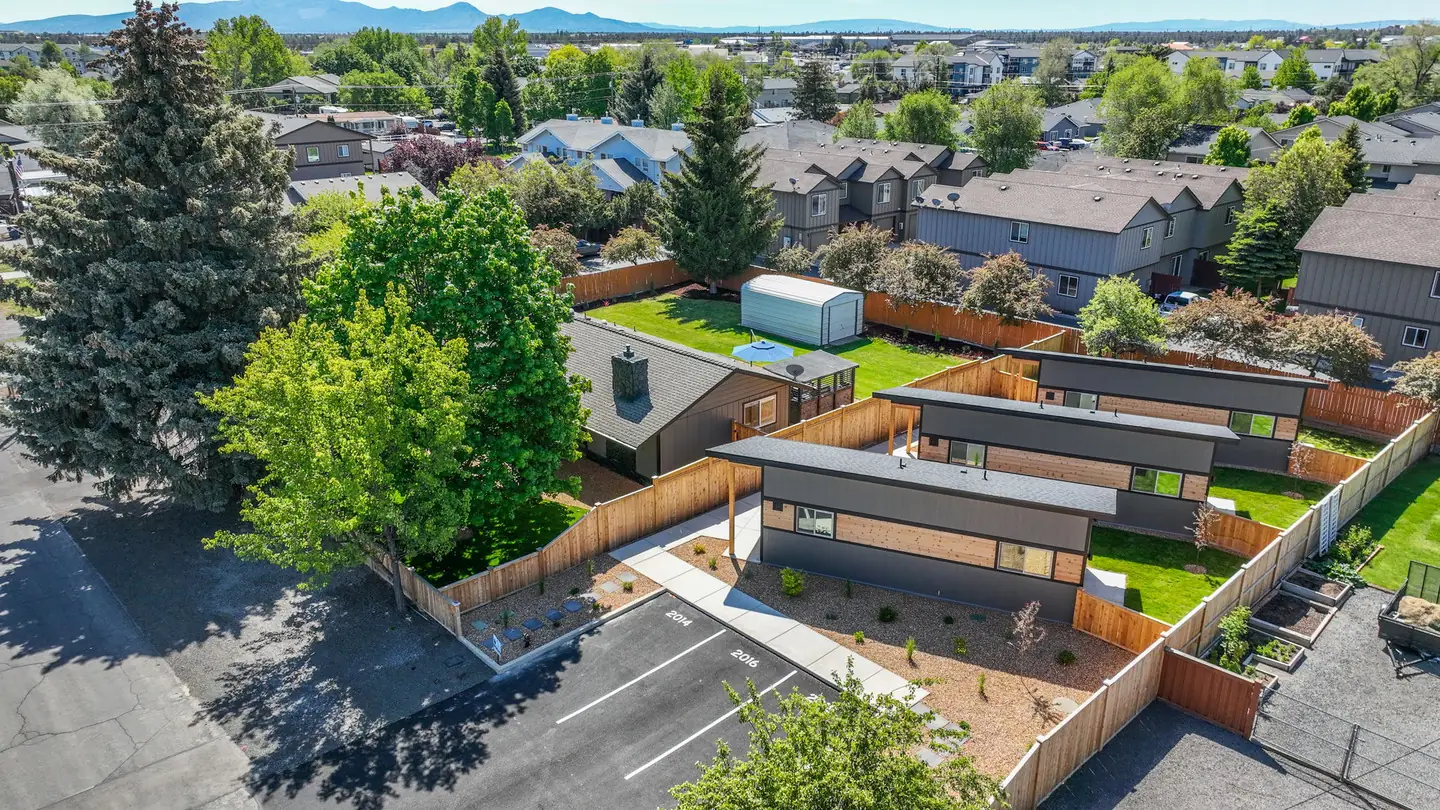
Business Models We Support
Why Modular Changes Your Pro Forma
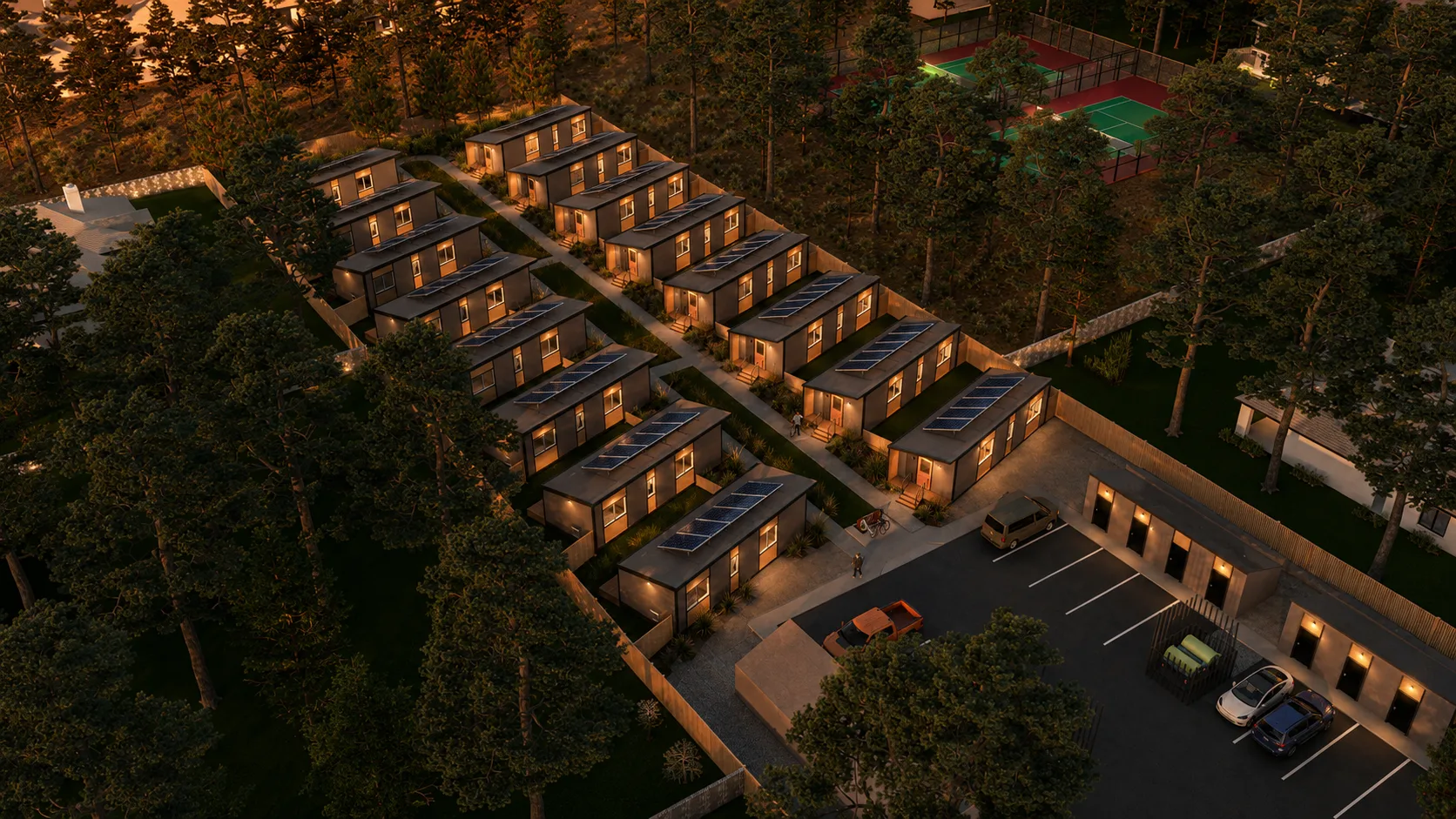
Parallel Workflows. Compressed Critical Path.
Timbergon fabricates, delivers, and sets the modules. Your general contractor handles foundation, site utilities, and final completion. We work closely with your GC to coordinate the handoff and make sure site prep is timed with factory delivery.
The result: site work and factory build happen simultaneously. Traditional construction is sequential. Modular compresses the critical path by weeks or months, getting you to occupancy and revenue faster.
Investor FAQ
How does your pricing work — fixed contract or variable?
Fixed. Factory production eliminates most of the variables that drive cost creep in traditional construction. We quote a price, we build to that price. Fewer change orders, no weather-related delays, no subcontractor scheduling surprises. Your pro forma is built on numbers that hold.
What is a realistic timeline from contract to occupancy for a multi-unit project?
Timeline depends on project scale, site complexity, and permitting. The advantage of modular is that factory build and site work happen in parallel, so you are not waiting on sequential trades. For multi-unit developments, that compression can represent weeks to months of earlier occupancy and revenue compared to traditional site construction. We provide a project-specific schedule at the proposal stage.
How does the GC relationship work on a development project?
What is the minimum project size you work with?
We work on projects ranging from a single ADU to multi-unit cottage clusters and resort communities. There is no hard minimum. What matters is that the project is a good fit for modular construction and that the numbers make sense for both sides. Reach out and we will tell you quickly whether it is something we can deliver on.
Do you work on rural or remote lots in Central Oregon?
Yes, with some caveats. Modular construction is actually well-suited for remote sites because the factory build is not affected by site access or conditions. Delivery logistics and utility connections are the main considerations for rural projects. We assess site access as part of the initial project review.
Let’s talk about your development.
Whether you’re evaluating a multi-unit project or exploring modular for the first time, we’re straightforward about what it takes and what it returns.