Skip to content
Timbergon Modular logo
  • How It Works
  • Models
    • The Rogue
  • Modular ADUs
  • Investors & Developers
  • Projects
  • About
  • Blog

Get a Quote

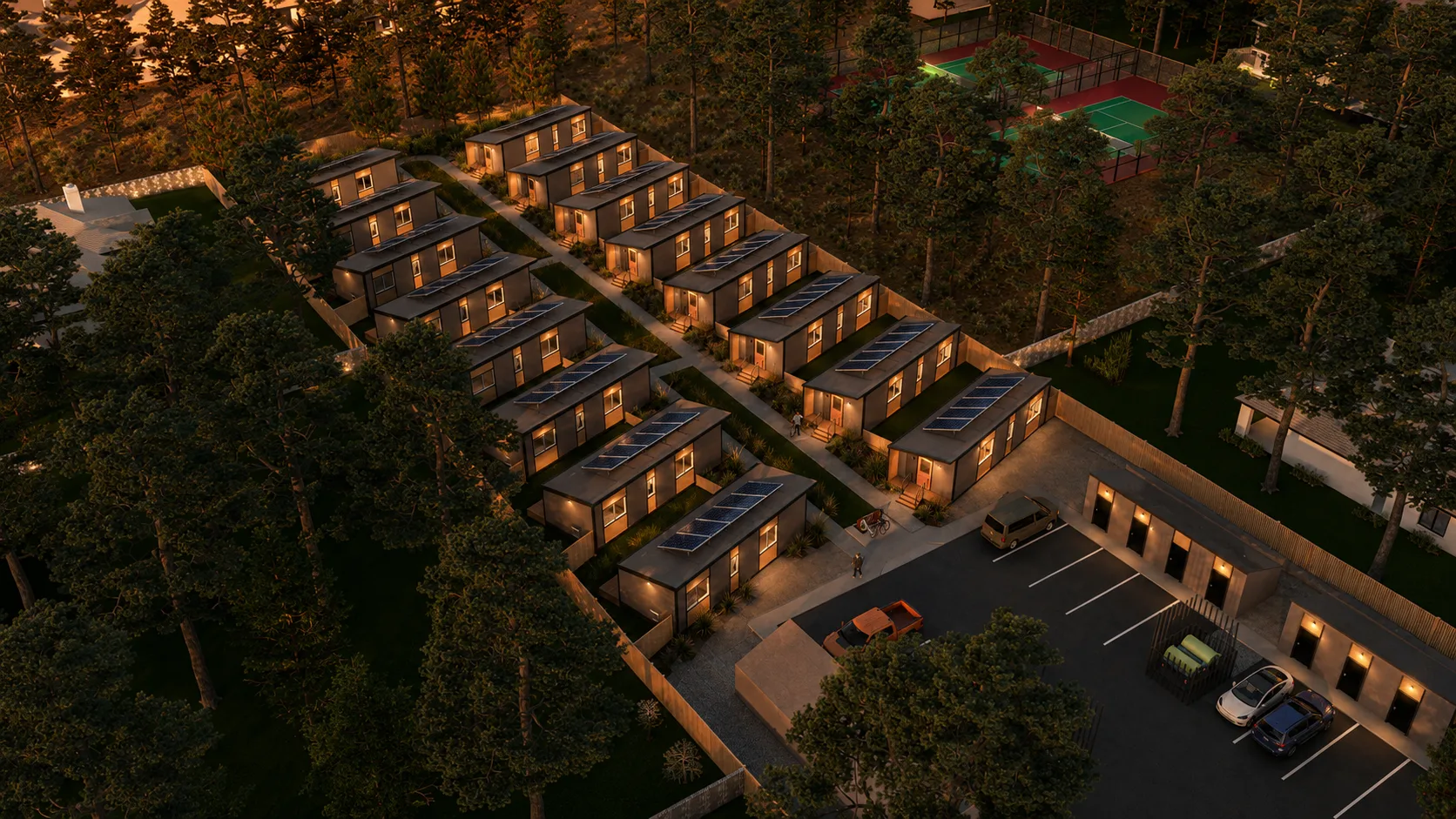
Overhead view of Timbergon modular ADU entries, walkways, numbered parking spaces, and private fenced yards

For Investors and Developers

Modular Built
for Better Returns

If your project’s financial performance depends on being operational by a specific date, modular is the smarter delivery method. Timbergon builds for investors and developers who need their numbers to hold and their projects to deliver on schedule.

01

12-15%

ROI on Modular ADU Rentals

02

30–50%

Faster to occupancy, faster to revenue

03

20–35%

reduced cost vs. traditional construction

04

Fixed

Pricing with fewer change orders. Your pro forma holds

Project Types

Business Models We Support

MF

Multi-Family Development

We start with a conversation. You tell us about your property, your project, your timeline, and your goals. We listen, ask the right questions, and tell you honestly whether modular is the right fit and what it would take to make it work.

Whether you’re a homeowner exploring an ADU, an investor evaluating a multi-unit project, or a developer planning a larger community, this conversation shapes everything that follows.

ST

Resort and Short-Term Rental Communities

Residential developments designed for leisure destinations, adjacent to wineries, golf courses, lakes, or scenic corridors. Modular is particularly well-suited for resort projects because it reduces the on-site footprint and disruption, speeds the build, and delivers a consistent, high-quality unit across a development.

WF

Workforce Housing

Housing for labor-constrained markets and industries. Modular’s cost efficiency and build speed make it a practical solution for workforce housing that traditional construction struggles to deliver on budget.

AF

Affordable Housing

Modular construction is one of the most effective tools available for delivering affordable housing at scale. Lower build costs, predictable timelines, and consistent quality make modular a practical solution for developers and municipalities working on attainable housing projects.

The Financial Case

Why Modular Changes Your Pro Forma

Lower Build Cost

Modular construction runs 20–35% less than comparable site-built construction. Reduced labor costs, material efficiency, and fewer change orders keep the budget intact.

Faster to Occupancy

30–50% faster build times mean you reach revenue sooner. For investors, that compresses the carry period and improves IRR. For developers, it means earlier delivery to buyers or tenants.

Stronger ROI

Modular ADU rentals generate approximately 12–15% ROI compared to the national average of 10.6% for traditional rental units. Lower construction cost and faster occupancy change what’s possible.

Predictable Timelines

Factory production schedules don’t slip the way site-build schedules do. Your pro forma isn’t built on optimistic assumptions. It’s built on a fixed production schedule.

Cost Certainty

Fixed pricing and fewer change orders mean your budget projection is your actual budget. Investors and lenders appreciate the clarity.

Central Oregon Local

Timbergon is Central Oregon’s Modular Home Builder. You’re not bringing in an out-of-area contractor with no local knowledge or relationships. We’re here.

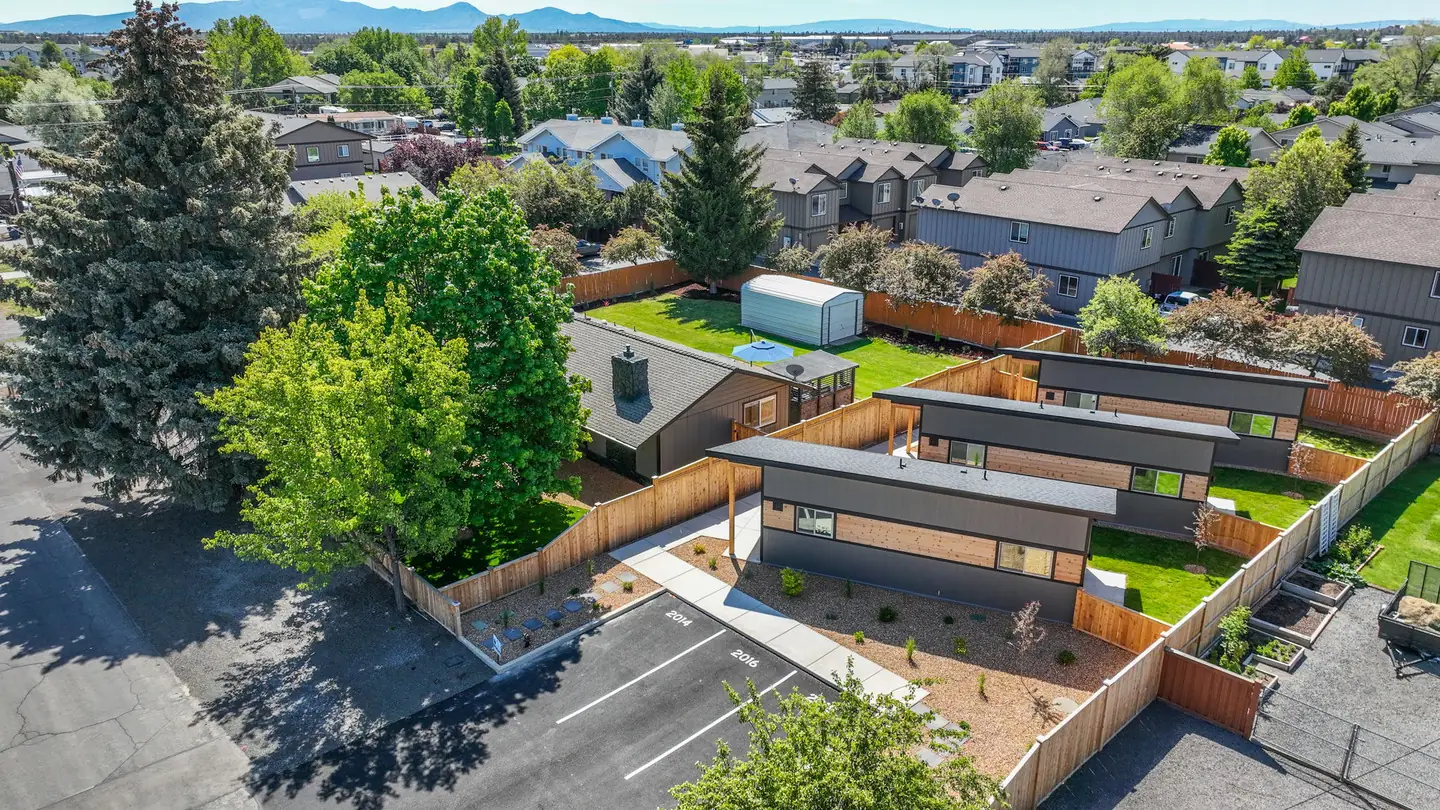
Aerial night view of a Timbergon modular cottage community with lit windows
How It Works for Developers

Parallel Workflows. Compressed Critical Path.

Timbergon fabricates, delivers, and sets the modules. Your general contractor handles foundation, site utilities, and final completion. We work closely with your GC to coordinate the handoff and make sure site prep is timed with factory delivery.

The result: site work and factory build happen simultaneously. Traditional construction is sequential. Modular compresses the critical path by weeks or months, getting you to occupancy and revenue faster.
See the Full Process →

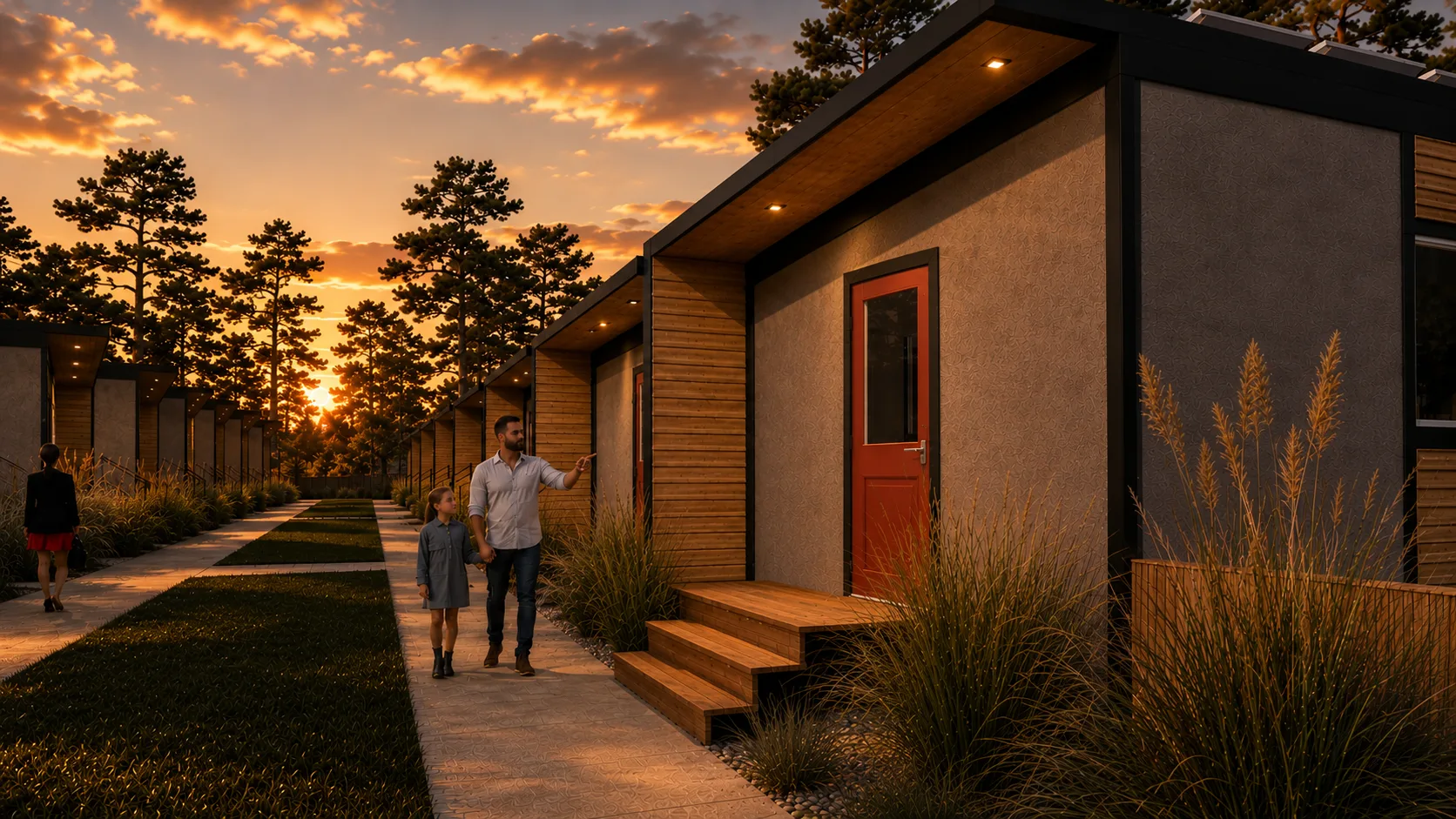
Timbergon modular cottage units at sunset in a Redmond, Oregon development
Common Questions

Investor FAQ

Can modular ADUs and multi-unit projects qualify for DSCR financing?

Yes. Debt-service coverage ratio loans are designed for income-producing properties, and modular ADUs fit the profile well. Because they are built to state code, placed on permanent foundations, and appraised like any residential structure, they qualify for DSCR and other investment lending products. Faster occupancy also means you reach the income threshold your lender needs to see sooner.

How does your pricing work — fixed contract or variable?

Fixed. Factory production eliminates most of the variables that drive cost creep in traditional construction. We quote a price, we build to that price. Fewer change orders, no weather-related delays, no subcontractor scheduling surprises. Your pro forma is built on numbers that hold.

What is a realistic timeline from contract to occupancy for a multi-unit project?

Timeline depends on project scale, site complexity, and permitting. The advantage of modular is that factory build and site work happen in parallel, so you are not waiting on sequential trades. For multi-unit developments, that compression can represent weeks to months of earlier occupancy and revenue compared to traditional site construction. We provide a project-specific schedule at the proposal stage.

How does the GC relationship work on a development project?

Your GC handles foundation, site utilities, and final completion. Timbergon handles factory production, delivery, and module set. We coordinate directly with your GC on timing so that site prep aligns with factory delivery. Investors and developers can bring their own GC or we can connect you with contractors we have worked with in Central Oregon.

What is the minimum project size you work with?

We work on projects ranging from a single ADU to multi-unit cottage clusters and resort communities. There is no hard minimum. What matters is that the project is a good fit for modular construction and that the numbers make sense for both sides. Reach out and we will tell you quickly whether it is something we can deliver on.

Do you work on rural or remote lots in Central Oregon?

Yes, with some caveats. Modular construction is actually well-suited for remote sites because the factory build is not affected by site access or conditions. Delivery logistics and utility connections are the main considerations for rural projects. We assess site access as part of the initial project review.

Let’s talk about your development.

Whether you’re evaluating a multi-unit project or exploring modular for the first time, we’re straightforward about what it takes and what it returns.

Request a Project QuoteSchedule a Conversation
Timbergon Modular logo

Factory-built modular homes and ADUs for Central Oregon. Faster. Smarter. Built to code.

Instagram Facebook

Navigate

  • How It Works
  • ADUs
  • Investors + Developers
  • The Rogue
  • Projects
  • About
  • Blog

Contact

(458) 666-5870vg@timbergon.com115 SE 8th St, Redmond, OR 97756Mailing: PO Box 1377, Redmond, OR 97756
Mon-Fri 8:30am-5:30pm

Service Area

Bend
Redmond
Sisters
Deschutes County
Central Oregon

© Timbergon Modular Inc. All rights reserved. | Privacy Policy
Designed by Just By Design | justbydesign.com